
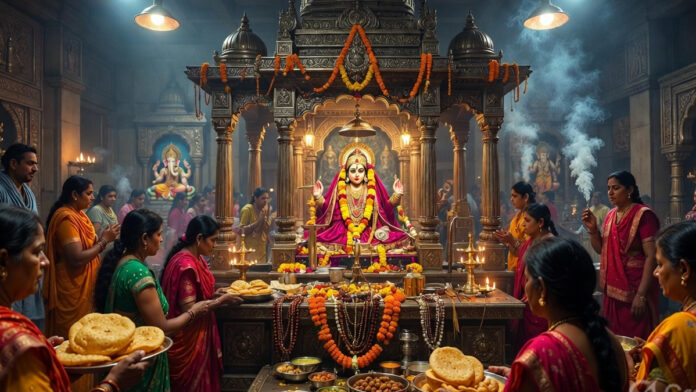
New Delhi, India — March 6, 2026
The worship of Sheetala Mata holds a special place in Hindu traditions, where the goddess is revered as a protector from diseases. Devotees particularly pray to the deity for protection against skin-related illnesses and seasonal infections.
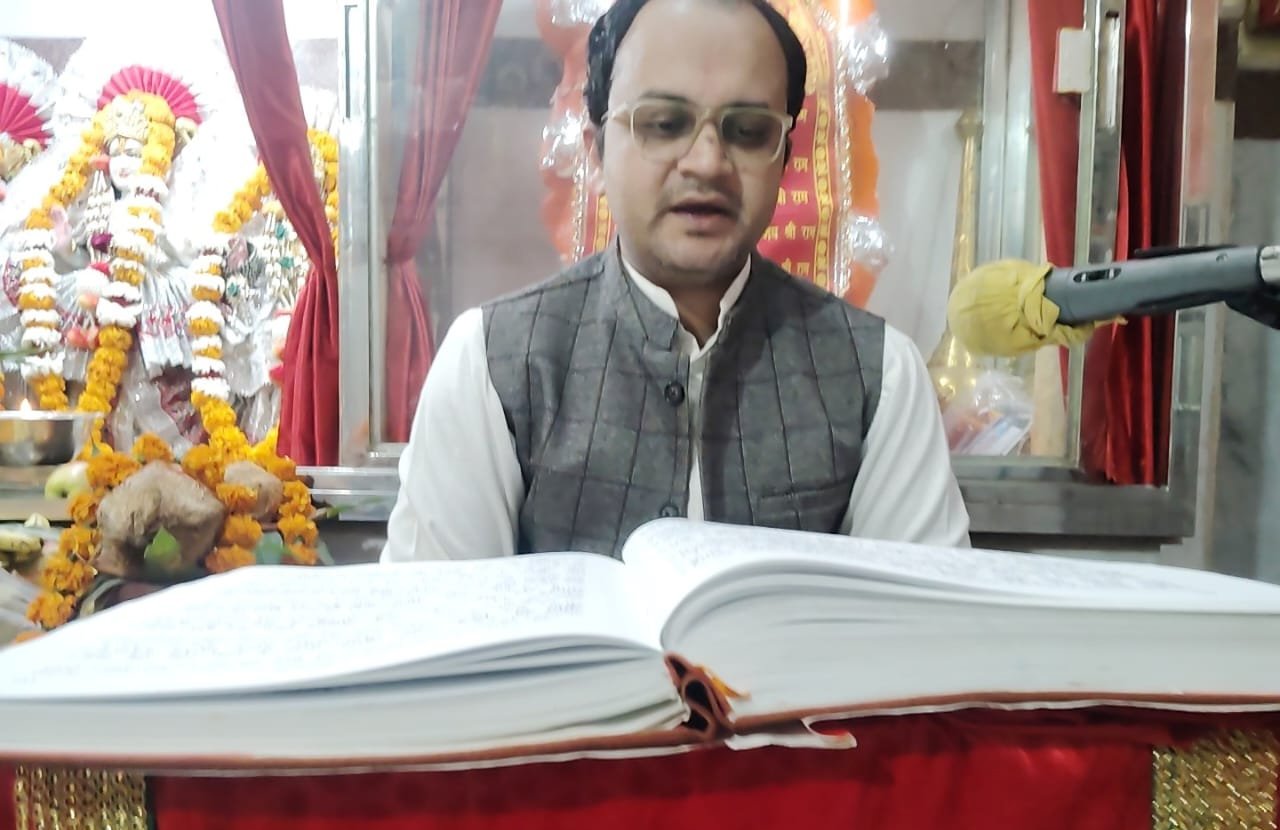
According to astrologer Pandit Ajay Kaushik, the festival of Sheetala Ashtami is considered significant not only from a religious perspective but also from a traditional health viewpoint. The rituals associated with the festival have been followed for generations and are believed to bring protection, well-being, and prosperity to families.
Sheetala Saptami and Sheetala Ashtami 2026: Date and Puja Timings
As per the Vedic Panchang (Hindu calendar), the Krishna Paksha Saptami of the Chaitra month will begin on March 9, 2026, at 11:27 PM and continue until March 11, 2026, at 1:54 AM.
Based on the Udaya Tithi (sunrise calculation), Sheetala Saptami will be observed on March 10, 2026.
The auspicious time for performing the puja on this day will be from 6:24 AM to 6:26 PM.
The following day, March 11, 2026, devotees will celebrate Basoda, also known as Sheetala Ashtami, when special rituals dedicated to the goddess are performed.
Why Food Prepared a Day Earlier Is Consumed
One of the most unique traditions associated with Sheetala Ashtami is that fresh food is not cooked on the festival day.
Women observing the fast prepare meals on Sheetala Saptami, a day before the festival. The prepared food is then offered to the goddess and consumed the next day as prasad.
This tradition is known as Basoda, which symbolizes devotion and adherence to traditional practices. The dishes commonly prepared include kadhi-rice, puri, pakora, and bara.
Fast Observed for Children’s Health
According to astrologer Pandit Ajay Kaushik, the fast is primarily observed for the health and protection of children.
Women traditionally take a ritual bath and prepare offerings for the goddess a day earlier. The prepared food items are placed as bhog (offering) to Sheetala Mata while devotees pray for protection from diseases and for the well-being of their children.
Devotees Gather at Temples
On Sheetala Ashtami, temples dedicated to the goddess witness a large number of devotees from early morning.
Devotees visit temples to offer prayers, light lamps, and seek blessings from Sheetala Mata for family happiness, good health, and prosperity. The festival continues to remain an important spiritual and cultural tradition observed across many regions of India.