Dhaka — February 14, 2026
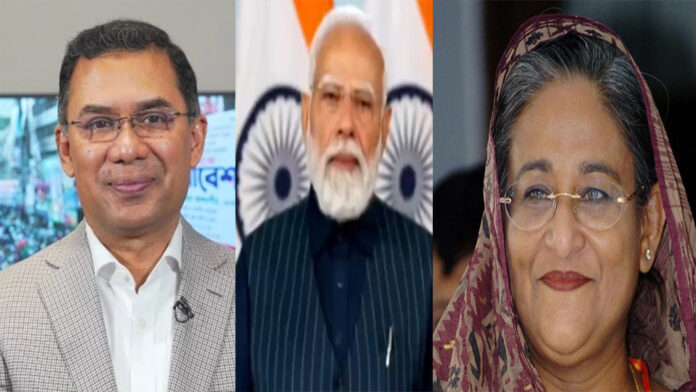
Bangladesh’s political landscape entered a new phase Friday as leaders of the Bangladesh Nationalist Party (BNP), fresh from a decisive election victory, announced plans to formally request the extradition of former Prime Minister Sheikh Hasina from India to face trial.
The development marks a potentially sensitive diplomatic moment for South Asia, as the issue could shape the future direction of India–Bangladesh relations.
BNP Confirms Legal Move
BNP Standing Committee member Salahuddin Ahmed said the party intends to submit a formal extradition request through official channels once it assumes office. He emphasized that the matter would be handled strictly within legal frameworks and coordinated between the relevant ministries of both countries.
Party leaders argue that allegations of repression and corruption during Hasina’s tenure require judicial review and insist that legal proceedings must proceed regardless of political sensitivities.
Landslide Election Victory Reshapes Politics
The BNP secured a commanding mandate in Bangladesh’s 13th national election, winning 212 of 300 seats. A coalition led by Jamaat-e-Islami obtained 77 seats, while other parties posted minimal results.
Notably, the former ruling Awami League was barred from participating in the vote. The party’s government had collapsed in August 2024 following widespread student protests, triggering months of unrest and political instability.
Signals of Cooperation From India
Following the election results, Indian Prime Minister Narendra Modi spoke by phone with BNP leader Tarique Rahman to congratulate him on the victory.
In a public message, Modi said India and Bangladesh share deep historical and cultural ties and expressed hope for continued cooperation on peace, development, and regional stability. BNP officials also thanked India, stating they expect bilateral relations to strengthen under the new administration.
Extradition Issue May Test Diplomatic Ties
Strategic analysts say the election outcome could improve relations that had cooled over the past year and a half. However, the potential extradition request is likely to be the first major test of the new government’s diplomacy.
India and Bangladesh already have an extradition treaty, but any decision involving a former prime minister would carry both political and legal sensitivities. Experts note that India’s response will be closely watched across the region.
Law, Politics, and Diplomacy Intersect
BNP leaders insist their approach will remain within legal boundaries. Yet the situation is complicated by Hasina’s long-standing support for strong ties with India during her time in office.
Analysts suggest that continued dialogue between Dhaka and New Delhi could allow the matter to be addressed cooperatively rather than confrontationally. For now, both governments are expected to await formal procedures before taking further steps.
Why This Story Matters
The political transition in Bangladesh signals a new phase in regional diplomacy. While optimism exists about improved bilateral relations, the extradition question could become a defining issue that shapes the trajectory of ties between the two neighboring countries.