


U.S. Grants Reliance Industries Direct License to Buy Venezuelan Crude — A Major Strategic Win
February 13, 2026 | by INVC Desk
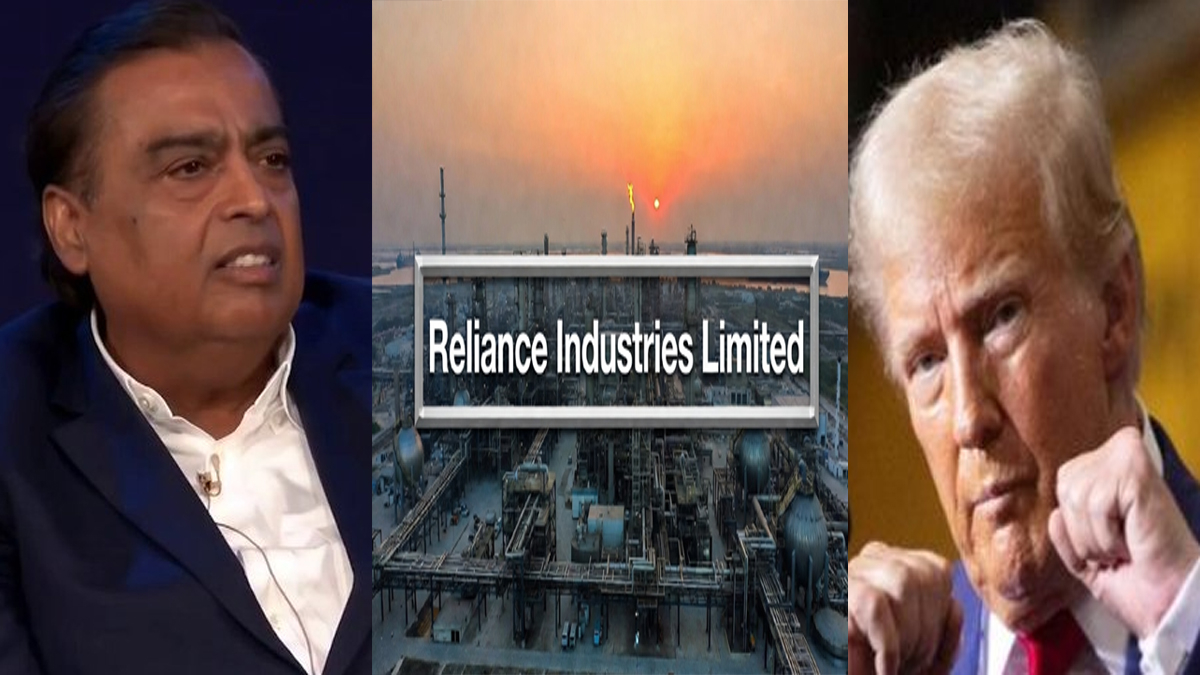
Mumbai, India – February 13, 2026
The approval marks a major shift for the Mukesh Ambani-led conglomerate and could meaningfully improve gross refining margins at its flagship Jamnagar refinery complex in Gujarat.
Direct Deals Replace Intermediaries
According to senior sources, the approval was granted toward the end of January. Until now, U.S. sanctions on Venezuela required Indian refiners to route purchases through global traders.
For example, Reliance had earlier bought approximately 2 million barrels of Venezuelan crude through intermediaries such as Vitol.
With the new license, Reliance can now procure oil directly from producing entities in Venezuela, eliminating intermediary commissions and improving supply chain stability.
The move follows a partial easing of U.S. energy sanctions on Venezuela after diplomatic developments involving President Nicolás Maduro, opening the door for licensed transactions.
Why Venezuelan Crude Matters for Jamnagar
Reliance’s Jamnagar facility is the world’s largest single-site refining complex and among the most complex globally. The refinery is specifically configured to process heavy and sour crude grades.
Heavy Crude Advantage
Venezuelan oil, particularly from the Orinoco Belt, falls into the heavy and extra-heavy categories. Due to production constraints and global supply conditions, such crude typically trades at a discount to international benchmarks.
Margin Optimization
Reliance can process this discounted heavy crude into higher-value refined products such as diesel, kerosene, and LPG, thereby optimizing refining margins.
Petrochemical Integration
Reliance’s business model integrates refining with petrochemicals. Heavy crude contains higher residual content, which can be converted into petrochemical feedstock. This enhances profitability in polymers and specialty chemicals.
Geopolitical Realignment in Energy Trade
The development also signals a broader geopolitical recalibration in India’s crude sourcing strategy.
Sources indicate India is gradually diversifying imports, with potential moderation in Russian crude purchases. Recent diplomatic engagements between India and the United States have emphasized balancing trade flows and strengthening energy cooperation.
U.S. President Donald Trump recently indicated that Prime Minister Narendra Modi had agreed to expand crude purchases from the United States and possibly Venezuela. In parallel, the U.S. removed a previously imposed 25% punitive tariff on certain Indian goods linked to Russian oil trade.
Public Sector Refiners Join the Move
State-run oil companies are also taking advantage of the easing sanctions.
-
Indian Oil Corporation (IOC) and
-
Hindustan Petroleum Corporation Limited (HPCL)
jointly purchased 2 million barrels of Venezuelan crude. Of this, 1.5 million barrels are allocated to IOC’s Paradip refinery, while 0.5 million barrels are headed to HPCL’s Visakhapatnam unit.
Before sanctions were tightened, both Reliance and IOC were regular buyers of Venezuelan oil.
Market Implications
The U.S. license is widely viewed as a positive signal for India’s refining sector.
For Reliance Industries, access to discounted Venezuelan crude could lower input costs, enhance refining and petrochemical margins, and strengthen earnings in upcoming quarters.
At the macro level, the move supports India’s strategy to diversify crude sourcing while maintaining balanced trade ties with major global energy suppliers.
Market participants will closely monitor how the new supply arrangement influences Reliance’s financial performance in future earnings reports.
RELATED POSTS
View all


घनश्याम भारतीय सहित 27 लोगों को मिला भारत गौरव सम्मान
December 25, 2017 | by INVC Desk

Bullion Market Sees Sharp Pullback: Silver Falls ₹5,800, Gold Drops ₹1,300 After Recent Surge
February 10, 2026 | by INVC Desk

Uddhav Poddar wins 40 under 40 Award for contribution to real estate
June 30, 2021 | by INVC Desk