Mumbai, February 10, 2026
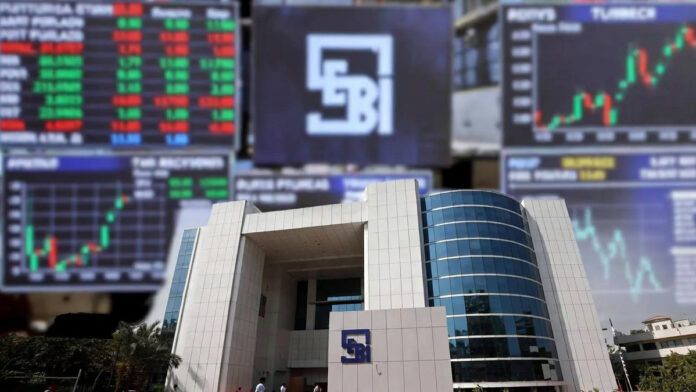
India’s market regulator Securities and Exchange Board of India (SEBI) has taken a decisive step to curb rising risks in the equity derivatives segment by restricting two emerging exchanges — National Commodity and Derivatives Exchange (NCDEX) and Metropolitan Stock Exchange (MSE) — from launching equity derivatives for now.
SEBI has clearly instructed both exchanges to strengthen their cash equity markets before entering the high-risk futures and options (F&O) space, citing concerns over excessive retail participation and market imbalance.
‘Build Liquidity First, Then Launch Derivatives’
According to sources familiar with the matter, SEBI has made it clear that no new exchange will be permitted to introduce equity derivatives unless it demonstrates a strong, liquid, and well-functioning cash market.
Key regulatory conditions outlined by SEBI include:
Minimum six-month gap between the launch of cash equity trading and equity derivatives
Adequate liquidity and participation in the cash market
Reliable price discovery mechanisms
Technology upgrades to handle equity trading and risk management
SEBI aims to ensure that derivatives trading is supported by a solid underlying market, rather than becoming a speculative product without depth.
Why SEBI Is Concerned
The regulator’s move comes at a time when India’s equity derivatives market has grown at an unprecedented pace. Data shows that derivatives premium volumes are now nearly twice the size of the cash equity market, a sharp contrast to global peers where derivatives typically account for only 2%–3% of cash market volumes.
Both SEBI and the government have raised alarms over this imbalance. Recently, transaction taxes were increased in an effort to cool excessive trading activity.
Multiple studies have indicated that nearly 90% of retail investors incur losses in the F&O segment, a statistic that has significantly influenced SEBI’s tighter regulatory stance.
Impact on Expansion Plans and Fundraising
The decision is expected to deal a blow to the diversification strategies of both exchanges.
NCDEX, which primarily focuses on agricultural commodities, had raised ₹7.7 billion ($85 million) in 2025 from 61 investors, including global trading giants Citadel Securities and Tower Research, to support its equity market expansion.
MSE, currently active in currency derivatives, secured ₹12 billion in funding from investors such as Peak XV Venture Partners, along with brokerage platforms Groww and Zerodha, to scale its equity offerings.
SEBI’s directive is likely to delay these expansion plans and may force both exchanges to redirect resources toward building cash market liquidity.
NSE’s Dominance Set to Continue
The immediate impact of SEBI’s move is the continued dominance of National Stock Exchange of India (NSE) in the equity derivatives space.
According to data from the World Federation of Exchanges, NSE accounts for over 70% of global index options trading volume, making it the single most dominant player worldwide.
By raising entry barriers for new exchanges, SEBI has signaled that market safety and systemic stability will take precedence over rapid competition, even if it temporarily limits new entrants in the derivatives market.
Regulatory Outlook
Market experts believe SEBI’s stance reflects a broader shift toward risk containment, retail investor protection, and sustainable market development. While competition remains a long-term goal, regulators appear unwilling to compromise on structural integrity in one of the world’s fastest-growing derivatives markets.