KYIV/MOSCOW – January 5, 2026
The Ukraine-Russia conflict, now grinding into its fourth year since Russia’s full-scale invasion in February 2022, has reached a precarious inflection point in early 2026. Whispers of renewed peace negotiations echo globally, yet frontline ferocity persists, with drone barrages and entrenched battles underscoring a war weary of resolution.
Rumors of diplomatic breakthroughs dominate European backchannels. Sources indicate Vatican and Turkish mediators are quietly engineering discreet meetings between Ukrainian and Russian envoys, as reported by Reuters. A potential framework under discussion envisions security guarantees for Ukraine alongside designating certain Russian-held territories as neutral zones. Publicly, however, President Volodymyr Zelenskyy and Russian leader Vladimir Putin maintain unyielding positions, rejecting concessions that could alter territorial realities.
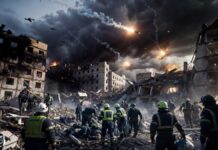
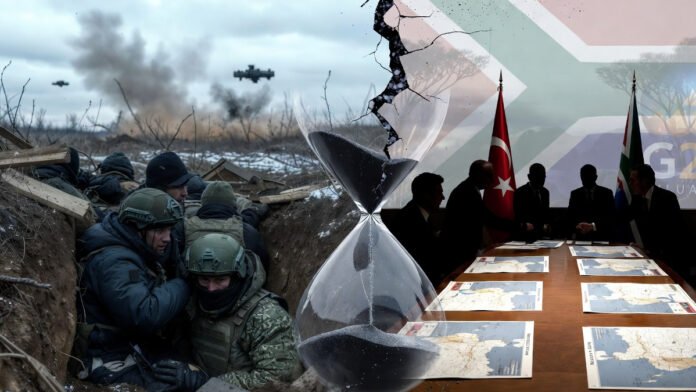
On the ground, hostilities show no signs of abating. January 2026 has seen intensified drone and missile exchanges targeting critical infrastructure, with Russian forces continuing winter assaults on Ukraine’s power grid to exacerbate civilian hardships. In eastern Ukraine’s Donbas region, the fighting has devolved into grueling trench warfare, where neither side secures decisive gains—a scenario experts label a “deadlock” that prolongs the attritional toll on troops and civilians alike.
Shifts among global powers add layers of uncertainty. In the U.S., upcoming midterm elections in 2026 amplify war fatigue, while Europe’s far-right resurgence in nations like Germany and France erodes enthusiasm for sustained military aid, according to analysis in The Guardian. Russia, meanwhile, has fortified its economy in “war mode,” but mounting international sanctions are manifesting as domestic inflation pressures, straining public resilience.
Looking ahead, the G20 summit under South Africa’s presidency emerges as a pivotal forum. Observers anticipate a concrete roadmap for de-escalation, with India and China positioned as key influencers in bridging divides. Diplomatic circles buzz with speculation: Zelenskyy may announce elections by late 2026 if a temporary ceasefire materializes, while Putin could unveil military reforms to consolidate control.
In essence, 2026 looms as a make-or-break year for the conflict—potentially yielding reconciliation or entrenching a protracted struggle that tests international alliances and resolve.