BEIJING — December 28, 2025
China’s electric vehicle (EV) sector is bracing for significant consolidation in 2026, with analysts predicting that around 50 unprofitable manufacturers could be forced to downsize operations or exit the market entirely.
The warning comes amid projections of the country’s first automotive sales contraction since 2020, driven by severe overcapacity, intensifying price wars, and the phasing out of government subsidies. Expiring incentives, including trade-in subsidies and purchase tax exemptions set to halve in 2026 before full elimination, are expected to dampen demand further.
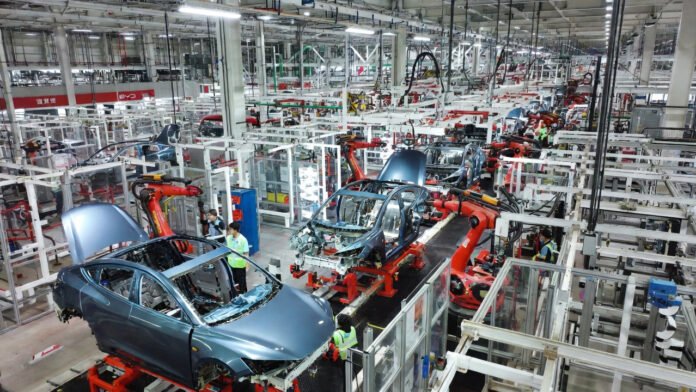
Industry experts highlight that China’s vehicle production capacity stands at around 50 million units annually, far exceeding projected output of 33 million in 2025. This glut has led to low factory utilization rates and sustained losses for smaller players unable to compete on scale or innovation.
Dominant firms like BYD, which held a leading market share in new energy vehicles (NEVs) throughout 2025, and Tesla continue to thrive, capturing the bulk of sales through aggressive pricing and technological advancements. BYD maintained strong positions domestically and globally, while newer entrants and legacy brands struggle with softening consumer demand.
Beijing’s decision to exclude EVs from its 2026-2030 five-year strategic industries plan signals reduced state support, pushing the sector toward market-driven restructuring. Longer-term forecasts suggest only 15 EV brands may achieve financial viability by 2030, controlling about 75% of the NEV market.
This shakeout could strengthen surviving companies’ global competitiveness, boosting exports but also raising concerns over potential dumping in international markets. For now, the focus remains on navigating a challenging domestic landscape marked by excess supply and evolving policy priorities.