New Delhi, India | December 29, 2025
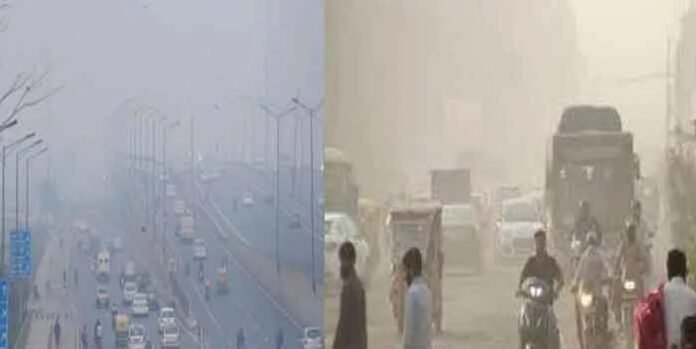
Delhi continued to reel under dangerously poor air quality for the second consecutive day, with several areas recording Air Quality Index (AQI) levels above 400 on Sunday morning. Thick layers of smog and fog covered the city, significantly reducing visibility and making breathing difficult for residents.
According to the Air Quality Early Warning System for Delhi, air pollution levels remained in the “very poor” to “severe” category across multiple locations. Dense haze combined with fog further worsened conditions during early morning hours.
What Does the Air Quality Index Indicate?
An AQI between 0 and 50 indicates good air quality, while 51 to 100 is considered satisfactory. Levels between 101 and 200 fall under the moderate category. An AQI of 201 to 300 signals poor air quality, 301 to 400 is classified as very poor, and readings between 401 and 500 indicate severe air pollution. At severe levels, air quality poses serious health risks, particularly for people with pre-existing respiratory or heart conditions.
On Sunday, Delhi’s air quality remained in the very poor to severe category, following similar conditions on Saturday. Visibility across the capital dropped sharply as thick smog and fog blanketed roads and residential areas.
Data from the Central Pollution Control Board (CPCB) showed that Anand Vihar recorded an AQI of 445, placing it firmly in the severe category. Chandni Chowk followed with an AQI of 415, while Vivek Vihar recorded 428. Dwarka reported an AQI of 404, ITO stood at 403, and the IGI Airport area recorded a relatively lower yet still concerning AQI of 321.
Pollution hotspots like Anand Vihar remained enveloped in toxic haze, significantly impacting daily life in the national capital. Health experts continue to advise residents to limit outdoor activity, especially during early morning hours, as pollution levels remain hazardous.