
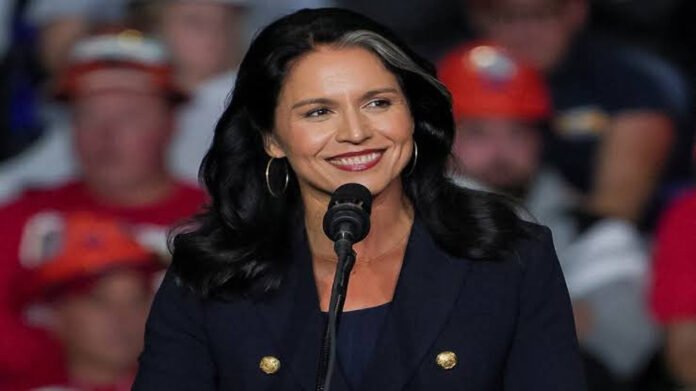
Phoenix, Arizona, USA | December 21, 2025
US Director of National Intelligence Tulsi Gabbard has sparked debate after stating that “Islamist ideology poses a serious threat to the United States” during her address at the AmericaFest (AmFest) 2025 conference.
Speaking at the annual conservative gathering, Gabbard said the threat was ideological in nature and should not be confused with criticism of individuals or faith-based freedom, according to her remarks.
Claims of Radicalization and Sharia Law Demands
In her speech, Gabbard alleged that religious leaders in certain US cities were encouraging radicalization among youth, and claimed that demands for the implementation of Sharia law had surfaced in parts of the country.
She cited examples including Michigan, Minneapolis, and Minnesota, alleging that extremist interpretations were being promoted. Gabbard also referenced meetings of Islamic groups earlier this year that, she claimed, discussed enforcing Sharia law in specific localities.
“These developments are not happening outside our borders,” Gabbard said. “They are happening within the United States.”
Remarks on Europe and Domestic Security
Gabbard also pointed to developments in Europe, claiming that some Christmas markets in Germany were canceled due to security concerns linked to extremist threats. She used the example to argue that ideological extremism has broader global implications.
Her comments emphasized what she described as the erosion of individual freedoms under extremist ideologies, asserting that such belief systems do not allow religious or personal liberty.
Freedom and Ideology
Referring to remarks made by conservative commentator Charlie Kirk, Gabbard said freedom in the US is a fundamental right and warned against ideologies that, in her words, reject pluralism and freedom of belief.
“When we talk about this threat, we are talking about an ideology that denies freedom to those who do not conform,” she said.
Context and Reactions
Gabbard’s remarks were made in the context of national security and ideological extremism, not immigration policy, according to aides familiar with the event. However, her comments are expected to draw strong reactions from civil rights groups and religious organizations, who have previously cautioned against conflating extremism with Islam as a religion.
No immediate response was issued by Muslim advocacy groups at the time of publication.