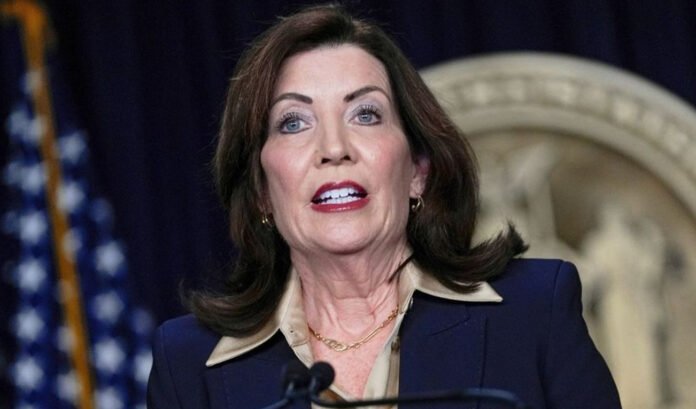
Albany, New York, December 18, 2025
In a landmark decision, New York Governor Kathy Hochul has announced she will sign the Medical Aid in Dying Act early next year, making New York the 13th state to legalize physician-assisted death for terminally ill adults. The move comes after months of deliberation and an agreement with lawmakers to incorporate additional safeguards into the bill.
The legislation, also known as medical aid in dying (MAID), allows mentally competent adults with a terminal illness and a prognosis of six months or less to live to request prescription medication they can self-administer to end their lives peacefully. Hochul, a practicing Catholic, described the choice as one of the most difficult in her tenure but emphasized compassion for those suffering unbearable pain.
“I am all too familiar with the pain of seeing someone you love suffer and being powerless to stop it,” Hochul said, referencing her mother’s death from ALS. She stressed that the amended bill includes robust protections, such as a mandatory five-day waiting period, recorded oral and written requests to confirm voluntary decision-making, mental health evaluations to rule out duress, and confirmation of the terminal prognosis by multiple physicians.
The law will be signed in January 2026 after lawmakers vote on the amendments and will take effect six months later. Religious-affiliated facilities can opt out, and the measure does not apply to mental illnesses alone.
Supporters, including bill sponsors Assemblymember Amy Paulin and advocates from Compassion & Choices, hailed the decision as a “truly historic” step toward end-of-life autonomy. “Most people will never choose medical aid in dying, but they want the reassurance of having it as a compassionate safeguard,” Paulin noted.
However, the announcement drew sharp criticism from opponents. The New York State Catholic Conference called it “egregious,” arguing it abandons vulnerable citizens and undermines suicide prevention efforts. Disability rights groups and the New York Alliance Against Assisted Suicide expressed concerns over potential coercion and discrimination against the disabled.
New York joins 12 other states and Washington, D.C., with similar laws, amid ongoing national debates on dignity, ethics, and healthcare at life’s end. As implementation approaches, discussions on palliative care, mental health support, and protections continue to evolve.