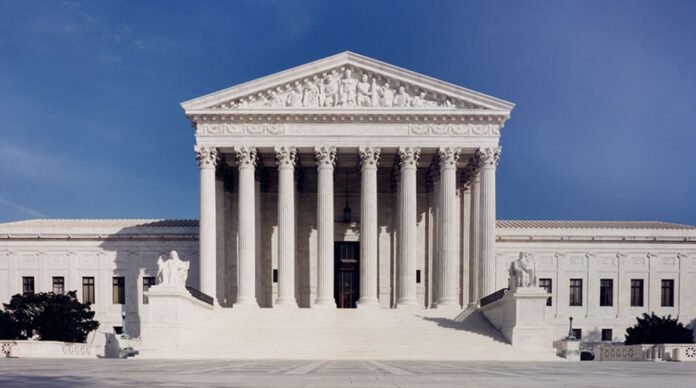
Washington, D.C. , : The U.S. Supreme Court on Monday agreed to hear arguments on the constitutionality of President Donald Trump’s executive order restricting birthright citizenship, setting the stage for one of the most consequential immigration and constitutional cases in decades. The move centers on whether the 14th Amendment guarantees automatic citizenship to all children born on U.S. soil, regardless of their parents’ immigration status.
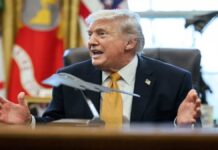
Issued in July 2025, Trump’s directive bars automatic citizenship for children born to non-citizen, non–legal resident parents, a category the Department of Homeland Security estimates accounts for nearly 300,000 births every year. Supporters say the policy curbs “birth tourism” and illegal migration, while critics call it an unprecedented assault on the rights enshrined after the Civil War.
Lower Courts Blocked the Order Nationwide
Federal courts in California, New York, and the 9th Circuit Court of Appeals in San Francisco swiftly halted the order, declaring it unconstitutional under the 14th Amendment, which guarantees citizenship to “all persons born or naturalized in the United States.”
The challenges, consolidated into a single case now before the Supreme Court, rely heavily on the landmark 1898 Wong Kim Ark ruling, which affirmed birthright citizenship for children born to foreign parents legally residing in the country.
If the Supreme Court overturns or reinterprets that precedent, it could rewrite more than 150 years of constitutional understanding.
Legal Teams Prepare for a Defining Showdown
The case pits:
-
ACLU lead attorney Lee Gelernt, representing immigrant rights groups and multiple states
-
Solicitor General Elizabeth Prelogar, defending the Trump administration
Trump insists the order is a “common-sense reform,” while critics—including several Democratic senators—have labeled it a “racist assault on immigrant families.”
Potential Impact: Millions Affected
The executive order could affect:
-
Nearly 4 million potential citizens annually
-
The 11 million undocumented residents currently living in the U.S.
-
Birth rates in border states, which have already dropped 12% since the order was announced
Immigrant communities report heightened anxiety, with many delaying hospital registrations or travel out of fear of immigration enforcement.
Geopolitical Stakes Rising
The case unfolds amid Trump’s broader immigration policy push, including:
-
Large-scale deportation operations
-
Rapid expansion of the U.S.–Mexico border wall
-
Enhanced visa vetting measures
Mexican officials warn the policy could further strain bilateral ties at a time when regional cooperation is crucial.
Decision Expected by Mid-2026
With the court’s conservative majority under intense scrutiny, legal scholars say the ruling could redefine who becomes an American, reshape federal immigration powers, and influence future demographic and electoral landscapes.
Oral arguments are expected in April 2026, with a decision likely by June.