Washington, D.C., December 3, 2025 :
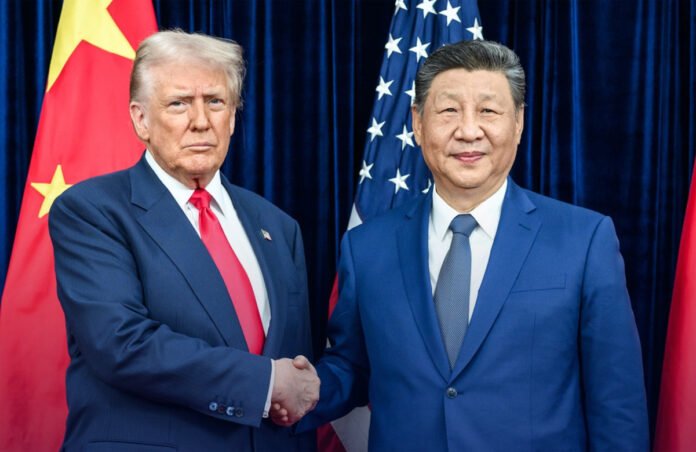
A landmark U.S.-China trade agreement announced this week is set to significantly boost the agricultural sector, committing Beijing to purchase 12 million metric tons of U.S. soybeans by the end of 2025, followed by 25 million tons annually over the next three years. Signed by Presidents Donald Trump and Xi Jinping, the deal represents a key effort to ease ongoing trade tensions between the two global powers.
The agreement is widely seen as a major win for American farmers, who have faced uncertainty in recent years due to tariffs and geopolitical friction. Analysts also note the pact is likely to provide broader support for global commodity markets.
Impact on Agricultural and Commodity Markets
Following the announcement:
-
Soybean prices surged, reflecting expected higher U.S. exports to China.
-
Wheat futures gained modest support, although increased Australian production—estimated at 35.6 million tons for 2025–2026—helped cap price spikes.
-
Agricultural analysts highlighted the deal as a stabilizing factor in global food supply chains, reassuring both producers and buyers amid broader geopolitical volatility.
White House Highlights Farmer Benefits
The White House celebrated the agreement as a major achievement for the U.S. agricultural sector. Officials emphasized that the deal will provide predictable demand for American soybeans, support farm incomes, and reinforce the country’s leadership in global food exports.
Significance for Global Supply Chains
The trade pact also carries implications for global food security:
-
Ensuring steady soybean supply for China, a major importer
-
Stabilizing U.S. export revenues
-
Providing signals to other commodity markets that geopolitical tensions can be managed
Industry observers believe that the agreement could serve as a blueprint for future U.S.-China collaborations in agriculture, offering a pathway to reduce trade-related uncertainties.
Key Stakeholders
Key parties involved in implementing the deal include:
-
U.S. agricultural exporters and commodity traders
-
Chinese importers and food processors
-
Financial markets monitoring crop futures and logistics
The multi-year commitment is expected to underpin commodity price stability and create a more predictable trading environment, benefiting both countries’ agricultural sectors.
Outlook for the Coming Years
As the trade deal begins execution, experts anticipate:
-
Stronger U.S. soybean exports to China through 2028
-
Positive momentum for related agricultural products, including corn and wheat
-
Continued monitoring of global production trends to ensure market equilibrium
The deal’s announcement comes at a pivotal time, as farmers navigate inflationary pressures, variable yields, and evolving global trade patterns.