Berlin | December 2, 2025 :
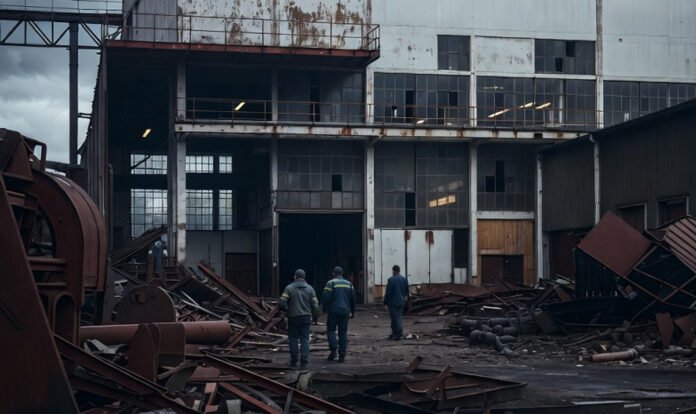
Germany’s industrial powerhouse officially plunged into recession on December 2, 2025, as new data confirmed a three-year slide in turnover across 22,000 manufacturing firms, resulting in nearly 300,000 job losses. The downturn—Germany’s steepest since the pandemic—comes amid soaring energy costs, collapsing exports, and severe pressure on the automotive and chemical sectors, according to an in-depth Handelsblatt review.
Industrial output contracted 4.2% year-over-year in November, marking the sharpest decline since 2020. The automotive sector alone recorded a 15% drop in production, driven by spiraling electric vehicle transition costs and aggressive U.S. tariffs that have crippled German exports.
Chemical giant BASF reported €2 billion in losses, while machinery shipments to China plunged 12%, deepening fears of long-term structural damage.
Economy Minister Robert Habeck announced a sweeping €100 billion “green recovery” package, featuring major subsidies for hydrogen technology and clean manufacturing upgrades. But conservative opposition leader Friedrich Merz slammed the plan, arguing that Berlin’s “green dogma” accelerated the industrial collapse.
Adding to the grim forecast, Bundesbank President Joachim Nagel projected a 0.8% GDP contraction in 2026 unless rapid stimulus measures are enacted.
The crisis is rippling across Europe and beyond. Indian steel supplier Tata Steel has already reported a 10% reduction in German orders, while German labor union IG Metall is preparing large-scale strikes that could affect 4 million workers, threatening further disruptions.
Germany’s slump also highlights widening economic divisions within the EU: while German output shrinks, France reported 1.2% growth, underscoring diverging recovery paths across Europe’s two largest economies.