Kyiv, December 2, 2025 :
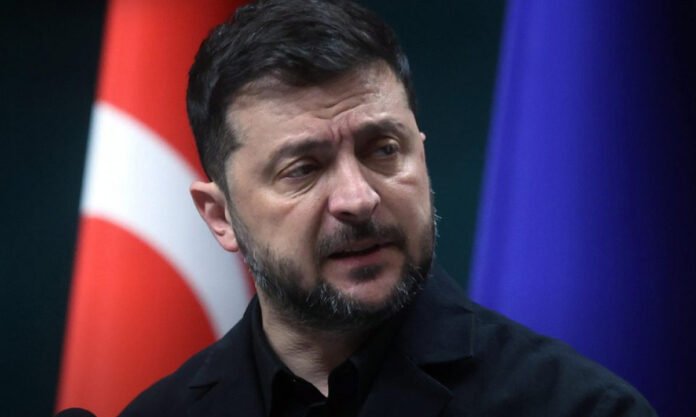
The Ukrainian President Volodymyr Zelensky on Tuesday dismissed Defense Minister Rustem Umerov, a move that has sent shockwaves through Kyiv’s political and military establishment. Announced via Zelensky’s Telegram channel, the decision is being framed as a critical “reset” aimed at revamping Ukraine’s wartime command structure as the conflict with Russia drags into its fourth year.
Umerov, 43, a Tatar economist who took office in September 2024, earned praise for modernizing procurement systems but came under mounting scrutiny over corruption allegations and delays in arms contracts worth $1.2 billion. His departure leaves a sudden leadership vacuum at a moment when Ukrainian forces are under intense pressure, particularly in Donetsk, where officials report the loss of 15,000 troops since July amid advancing Russian assaults.
Zelensky has nominated Mykhailo Fedorov, the 34-year-old Minister for Digital Transformation known for pioneering drone warfare and battlefield innovation, to take over the defense portfolio. His appointment is expected to be fast-tracked through parliament.
The firing triggered alarm among Western partners. During an emergency NATO call, U.S. Secretary of State Antony Blinken and European allies expressed concern that the decision may signal internal fractures just days ahead of the Geneva peace talks scheduled for December 5. Analysts warn that Kyiv’s political volatility could diminish its leverage at the negotiation table.
Zelensky, addressing parliament later in the day, cited “strategic misalignment” and the urgent need for “unified command,” especially as nearly $60 billion in U.S. military aid remains stalled in Washington. According to the Atlantic Council, the abrupt change could embolden Russian President Vladimir Putin, who praised the move in state media as a “sign of Kyiv’s weakening resolve.”
Umerov, in a brief statement, vowed to “continue fighting from the shadows,” hinting at a continued role in Ukraine’s security architecture. His dismissal follows a series of high-profile exits, including last month’s resignation of intelligence chief Kyrylo Budanov, raising fresh questions about Zelensky’s ability to maintain cohesion within Ukraine’s war-fatigued bureaucracy.
Observers note that the timing of the reshuffle underscores the severe strains facing Ukraine’s leadership as the nation attempts to stabilize frontlines, secure foreign support, and maintain morale in the face of escalating Russian aggression.