Nairobi / New York | December 1, 2025 :
On World AIDS Day, December 1, 2025, UNICEF issued a grave global alert, revealing that 1.3 million children under 15 are currently living with HIV, yet only 43% are receiving life-saving treatment. The agency warned that a $2 billion funding deficit threatens to erase nearly 20 years of hard-won progress, with global child infections reaching 160,000 in 2024, according to UNAIDS.
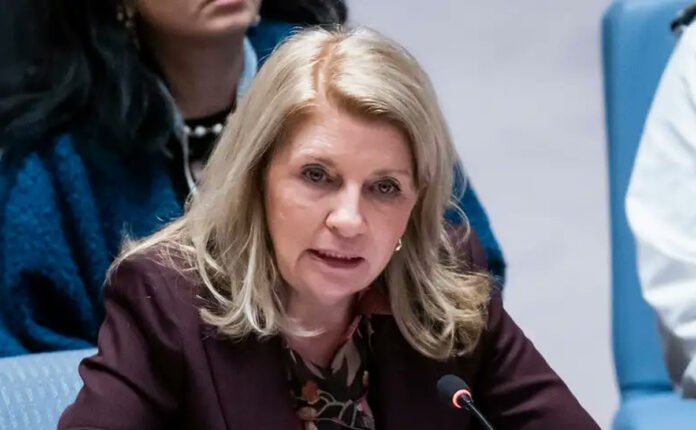
Sub-Saharan Africa continues to shoulder 83% of global pediatric HIV cases, where girls aged 10–14 remain three times more vulnerable due to entrenched gender inequalities. UNICEF Executive Director Catherine Russell urged donors to immediately commit $1.5 billion to stabilize treatment access, praising scientific advances such as Kenya’s promising mRNA vaccine trials led by Dr. Thumbi Ndung’u.
In India, NACO estimates 210,000 children are living with HIV, with preventive medication PrEP now being rolled out to 50,000 high-risk adolescents. Despite global progress, key indicators remain troubling: diagnostic coverage for children lingers at 60%, while mother-to-child transmission still stands at 9%.
International goals aim for 95-95-95 by 2030—ensuring 95% of those infected are diagnosed, 95% of diagnosed individuals receive treatment, and 95% achieve viral suppression. But UNICEF warns that recent PEPFAR funding cuts under the Trump administration could severely undermine these targets.
Activists, including Elton John’s AIDS Foundation, have urged urgent private-sector support. Pfizer recently pledged $100 million. Economists warn that untreated HIV could cost the global economy $500 billion annually in lost productivity.
As iconic monuments across the world turned red in solidarity, UNICEF cautioned that children risk becoming a “forgotten generation” if the international community fails to act decisively.