Bangkok, Thailand | November 28, 2025 :
A surge in rare earth mining across Southeast Asia has pushed the Mekong River to the brink of ecological collapse, threatening the livelihoods, food security, and drinking water of nearly 70 million people, according to a WWF report released on November 27, 2025.
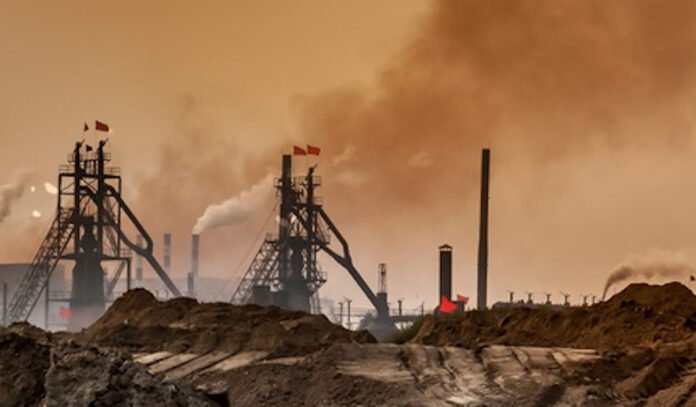
The report highlights severe toxic runoff from Chinese-operated mines in northern Laos and southern China, contaminating the river with heavy metals used in electric vehicles and high-tech manufacturing. The pollution has wiped out fish stocks, disrupted migratory species, and accelerated salinization of farmlands across the Mekong Delta—Vietnam’s crucial “rice bowl.”
Laos, now earning over $1 billion annually from rare earth exports, has rapidly expanded mining zones along the river, despite growing regional protests. Thai environmental activist Phaengkaeo Srisuwan led demonstrations in Udon Thani this week, accusing mining operators of “slowly poisoning an entire region for profit.”
With local fisheries collapsing and millions of hectares of farmland deteriorating, fears are rising of major displacement across Vietnam, Cambodia, Laos, and Thailand.
As of 7:00 AM ICT on November 28, 2025, ASEAN leaders convening in Bangkok placed emergency mining restrictions and wastewater discharge bans on the summit agenda. Environmental groups warn that unless strict cross-border regulations are enforced, the Mekong could face irreversible damage.
The crisis underscores the global cost of rising rare earth demand, casting a shadow over the clean energy transition.