Tehran | November 6, 2025 — Iran has vowed to fully rebuild and enhance its nuclear facilities after a series of recent attacks severely damaged several atomic sites, marking a sharp escalation in the nation’s standoff with Western powers and regional adversaries.
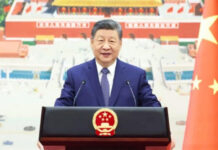
President Ebrahim Raisi said the government had “already initiated recovery operations” at the affected sites and would restore nuclear capacity beyond pre-attack levels, signaling Tehran’s determination to maintain its controversial enrichment program despite growing international pressure.
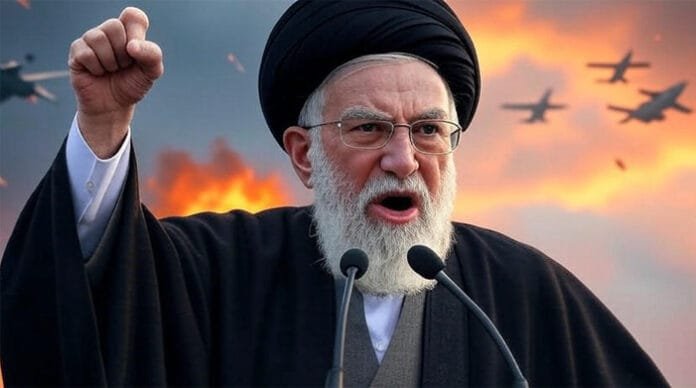
“Our scientists and engineers are already back to work. Iran will not only rebuild what was destroyed — we will build stronger,” Raisi declared during a televised address on Thursday, surrounded by senior members of the Atomic Energy Organization of Iran (AEOI).
Strikes Hit Key Nuclear Infrastructure
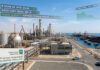
The attacks, which Iranian officials have blamed on “foreign intelligence-backed saboteurs,” reportedly targeted uranium enrichment facilities in Natanz and Isfahan.
Satellite imagery reviewed by independent analysts confirmed visible damage to several storage and control buildings, though Iran insists no radioactive leakage occurred.
While no nation has claimed responsibility, Tehran has hinted at Israeli involvement, referencing a “pattern of aggression” consistent with previous covert strikes. Israel has not commented officially.
“We will identify those behind these acts of terror. The response will be calculated and firm,” Raisi warned.
International Reactions: Caution and Concern
The United States and European Union urged restraint, calling on Iran to avoid retaliatory actions that could inflame regional instability.
The IAEA (International Atomic Energy Agency) confirmed it is in contact with Iranian authorities to assess the extent of the damage and verify the status of safeguarded nuclear material.
“We have received assurances that all declared material remains under monitoring,” said IAEA Director General Rafael Grossi, adding that the agency’s teams are ready to assist in technical assessments “if invited.”
Strategic Rebuild or Political Message?
Experts say the timing of Raisi’s pledge — just weeks after renewed U.S.-Iran talks in Geneva stalled — may carry a deeper strategic message.
“Iran’s vow to rebuild signals both resilience and defiance,” said Dr. Sanam Vakil, deputy director of Chatham House’s Middle East program. “It tells the West: sanctions and sabotage won’t break Iran’s nuclear ambitions.”
Defense analysts also note that Tehran’s rapid mobilization suggests pre-prepared contingency plans, indicating Iran had long anticipated such strikes.
Regional Fallout: Escalation Risks High
The incident comes amid a broader regional flare-up, with tensions between Israel, Hezbollah, and Iranian-backed militias intensifying after cross-border exchanges in Syria and Lebanon.
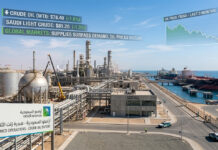
Gulf states including Saudi Arabia and the UAE have reportedly increased security around key oil and energy infrastructure as a precaution.
“This is a dangerous moment,” said a senior European diplomat in Vienna. “If Iran’s rebuild crosses new thresholds in enrichment or capability, diplomacy could collapse entirely.”
The Road Ahead
Iran’s nuclear program — officially described as peaceful energy development — remains under partial international oversight but continues to draw suspicion for its dual-use potential.
The AEOI confirmed plans to accelerate uranium enrichment to 60% purity “within weeks,” a move likely to heighten global concern.
“The message is clear: pressure begets progress,” said Ali Akbar Salehi, former AEOI head. “Every strike only strengthens Iran’s resolve.”
Conclusion
As Iran rebuilds and the international community watches closely, the region stands on the edge of another nuclear standoff. Whether Tehran’s defiance leads to deterrence or confrontation will depend on the next moves — both in Tehran and Tel Aviv.