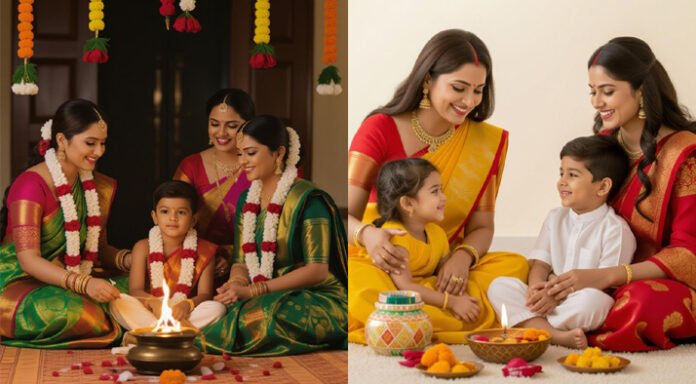
Ahoi Ashtami, a sacred festival observed by mothers across North India, falls on October 13, 2025, according to the Hindu lunar calendar. The festival is dedicated to the wellbeing, prosperity, and longevity of children, and involves fasting, prayers, and specific rituals performed by mothers at home.
🌟 Significance of Ahoi Ashtami
Ahoi Ashtami is celebrated on the eighth day (Ashtami) of the Krishna Paksha in the month of Kartik, just before Diwali. The festival’s origin is rooted in devotion and maternal love. Women fast from sunrise to moonrise, praying to Ahoi Mata, a goddess who blesses children with good health and protection from harm.
Cultural expert Dr. Meera Sharma explains:
“Ahoi Ashtami exemplifies the deep bond between mother and child in Hindu tradition. It is a day of devotion, sacrifice, and hope.”
🧘 Rituals and Fasting Practices
The festival is primarily observed by mothers who have children. Key rituals include:
-
Fasting from Sunrise to Moonrise: Mothers abstain from food or water to pray for the health and prosperity of their children.
-
Drawing the Ahoi Tree or Goddess Image: Traditionally, a tree or Ahoi Mata’s image is drawn on the floor using vermilion, turmeric, and cow dung.
-
Offering Prayers and Pooja Items: Women prepare kheer, sweets, fruits, and milk as offerings to the deity.
-
Breaking the Fast: After sighting the moon, mothers break their fast by feeding the Ahoi Ashtami prasad to their children.
🌍 Regional Observances
While Ahoi Ashtami is widely celebrated in Uttar Pradesh, Bihar, Rajasthan, Haryana, Madhya Pradesh, and Delhi, the rituals may vary slightly based on local traditions. In Rajasthan, women often perform ‘Ahoi Mata ki Pooja’ in courtyards, while in UP and Bihar, elaborate community gatherings and bhajans are organized.
In cities like Delhi, mothers visiting temples and community halls ensure that the tradition continues even amid urban lifestyles.
💬 Cultural and Spiritual Importance
The festival not only emphasizes the spiritual bond between mother and child but also teaches virtues of sacrifice, devotion, and responsibility. Women often share stories of child protection and blessings, passing traditions to younger generations.
Astrologers suggest that observing Ahoi Ashtami faithfully can mitigate negative planetary influences on children and promote overall wellbeing.
“Ahoi Ashtami is more than a ritual — it’s a heartfelt vow a mother takes for her child’s life and future,” says Astrologer Shalini Kapoor.
🧾 Preparations and Community Participation
Communities organize puja kits, including oil lamps, colored powders, sweets, and images of Ahoi Mata for devotees. Social media posts, videos, and tutorials on how to perform the pooja have also increased engagement among younger mothers, ensuring that the festival evolves yet retains its traditional essence.
Many schools and cultural organizations in Delhi, Jaipur, and Lucknow host educational sessions on Ahoi Ashtami, highlighting the rituals, significance, and stories associated with the festival.