


India Set to Power the World: Nation to Remain a Global Wind Energy Export Hub Through 2030
October 13, 2025 | by INVC Desk
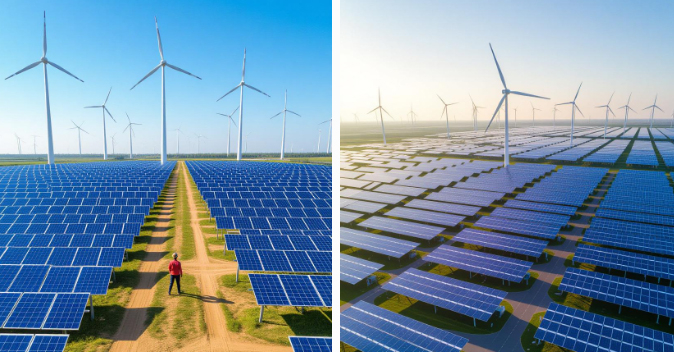
India’s renewable energy ambitions just received another major boost. According to the latest report by the Global Wind Energy Council (GWEC), India is projected to remain one of the world’s largest wind power export hubs through 2030, cementing its place as a critical player in the global green energy transition.
The report highlights India’s robust manufacturing ecosystem, skilled workforce, and cost competitiveness as the key pillars behind its continued dominance in the wind energy export market.
🌍 India’s Renewable Journey Gains Global Momentum
Over the past decade, India has transformed from an energy-deficient nation into a global renewable powerhouse. It currently ranks fourth worldwide in installed wind capacity, with over 45 GW of onshore wind power.
By 2030, experts estimate that India could contribute up to 20% of the world’s wind turbine exports, supplying key markets in Europe, Africa, and Southeast Asia.
Rajiv Ranjan, Director of the Ministry of New and Renewable Energy (MNRE), said:
“India’s wind manufacturing sector is now globally recognized for its innovation and scale. We’re not just meeting domestic needs — we’re powering the planet.”
⚙️ Manufacturing Might: India’s Export Engine
India’s major wind energy clusters — in Tamil Nadu, Gujarat, and Maharashtra — have become global supply hubs for turbine components like blades, nacelles, and gearboxes.
Companies such as Suzlon, Siemens Gamesa India, and Vestas are expanding production lines to cater to increasing global demand. Industry insiders note that over 75% of India’s wind exports now go to Europe and the Middle East, where nations are ramping up renewable projects to meet net-zero targets.
“Indian engineering has come of age,” said Tulsi Tanti, founder of Suzlon Energy.
“Our facilities are world-class, and our supply chain resilience proved itself even during the pandemic.”
⚡ Policy Push and Global Partnerships
Government policies such as “Make in India – Green Energy Manufacturing” and Production Linked Incentive (PLI) schemes have fueled investor confidence.
Additionally, partnerships with global renewable giants have accelerated technology transfer and innovation in turbine design.
In 2025, India signed a landmark clean energy cooperation deal with the European Union, under which Indian firms will export high-capacity wind turbine systems and components to EU member states.
Energy policy analyst Meera Deshpande commented:
“India’s partnership-driven model in renewables is unique. It’s collaborative, sustainable, and export-oriented — that’s why the world is taking notice.”
🌬️ Economic and Environmental Impact
The wind sector’s growth is not just about energy — it’s creating jobs and strengthening India’s green manufacturing credentials.
According to MNRE estimates:
-
The wind energy industry currently employs over 120,000 people in India.
-
The sector’s exports are expected to cross ₹45,000 crore annually by 2030.
-
Over 15% reduction in carbon emissions is expected due to expanded global wind infrastructure.
The Indian government’s goal of achieving 500 GW of renewable capacity by 2030 heavily relies on the continued growth of wind energy.
🌏 Challenges Ahead
Despite its success, the industry faces challenges like logistics bottlenecks, raw material price fluctuations, and grid connectivity issues. Experts say addressing these will be vital to maintain momentum.
“India’s next challenge is scale and speed,” said Dr. Anil Chaturvedi, renewable energy economist.
“If we can streamline ports, enhance inland logistics, and speed up project approvals, India could easily become the world’s number one wind exporter.”
RELATED POSTS
View all


RBI Intervenes to Stabilize Rupee and Bond Yields Amid Global Market Volatility
November 10, 2025 | by INVC Desk


Oilseed Prices Dip Across India: Market Under Pressure as Mustard, Soybean, and Palm Oils Lose Ground
October 6, 2025 | by INVC Desk