New Mpox Variant Emerges: France Reports First Case, Health Officials on High Alert
Paris, France – A new variant of the Mpox virus has surfaced in France, marking the first reported case in the country. According to the Agence France-Presse (AFP), the French Ministry of Health disclosed this development on Monday. The infected individual, who had not traveled to Central Africa where the virus variant originated, had contact with two people returning from the region. Authorities are now meticulously tracing all potential contacts to curb further spread.
The First Case in Brittany: What We Know
The patient, identified as a woman, was diagnosed at a hospital in Rennes, located in the northwestern Brittany region. This new variant, classified as Clade 1B, is linked to a global health emergency declared by the World Health Organization (WHO) in August. Following France’s case, Germany reported its first instance in October, with the United Kingdom also documenting a case.
Understanding Mpox: A Close Relative of Smallpox
Mpox, previously referred to as monkeypox, is a viral disease closely related to smallpox. Despite its name, it has no direct connection to monkeys. The virus was first identified in 1958 when laboratory monkeys showed symptoms similar to smallpox. The initial human case emerged in 1970, and the disease garnered global attention in 2022 as it spread across multiple continents.
Symptoms of Mpox: What to Watch For
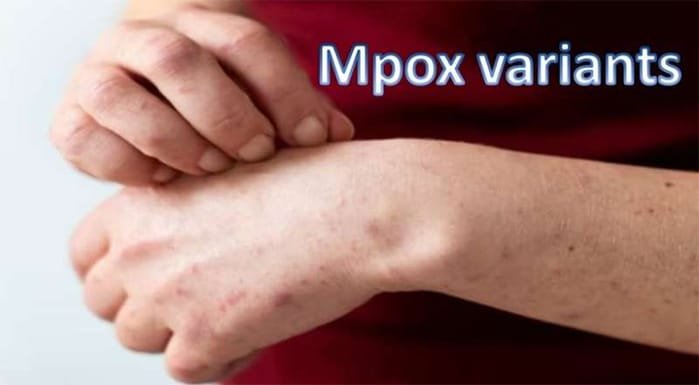
The symptoms of Mpox can be distressing and last from two to four weeks. Key indicators include:
- Rashes that can appear on the face, palms, soles, and genital areas.
- Fever and headaches.
- Muscle aches and back pain.
- Swollen lymph nodes.
- Fatigue.
In more severe cases, proctitis (inflammation of the rectum) can occur, causing intense pain and urinary difficulties.
Preventive Measures Against Mpox
Preventing the spread of Mpox requires stringent hygiene and avoiding direct contact with infected individuals or animals. Essential steps include:
- Frequent washing of hands with soap and water or using hand sanitizer.
- Avoiding contact with wild animals, particularly rodents and primates.
- Using personal protective equipment (PPE) in outbreak zones.
- Keeping any cuts or open wounds covered.
- Seeking medical attention promptly if symptoms like fever, rash, or swollen lymph nodes develop.
Global Response to the New Variant
The emergence of Clade 1B has prompted swift action from health authorities globally. France’s Ministry of Health is working closely with international health bodies to monitor the spread and implement containment strategies. Contact tracing is a priority, with all close contacts of the infected individual being identified and monitored.
Germany and the United Kingdom have also ramped up their surveillance and public health measures. The collaboration between countries aims to mitigate the risk of widespread outbreaks and ensure public safety.
Mpox: A Rising Concern for Global Health
The WHO’s declaration of a global health emergency underscores the seriousness of the Mpox variant. This move has catalyzed international efforts to understand the virus’s transmission dynamics, develop effective treatments, and enhance public awareness.
Vaccination campaigns, where available, are being considered as a preventive measure. Researchers are also exploring the potential for new vaccines tailored to this variant to provide robust protection against infection.