

India Eyes Massive $59.2 Billion Forex Savings Push Amid Iran Crisis and Rising Oil Prices
May 12, 2026 | by India News Desk International News and Views
New Delhi, India — May 12, 2026
India Targets Rs 5.6 Lakh Crore in Savings Through Consumption Cuts as Global Oil Prices Rise
India is preparing an aggressive economic conservation strategy aimed at reducing pressure on foreign exchange reserves and insulating the economy from global energy shocks triggered by the escalating Iran crisis and surging crude oil prices.
According to government estimates and financial analysis based on fiscal year 2025-26 import data, India could potentially save nearly $59.2 billion — equivalent to around Rs 5.6 lakh crore — over the next year by cutting consumption across key sectors including petroleum, gold, edible oils, fertilizers and overseas travel.
The move comes as international crude oil prices continue to rise sharply amid geopolitical tensions in the Middle East, raising concerns over inflation, the weakening rupee, widening trade deficits and pressure on India’s current account balance.
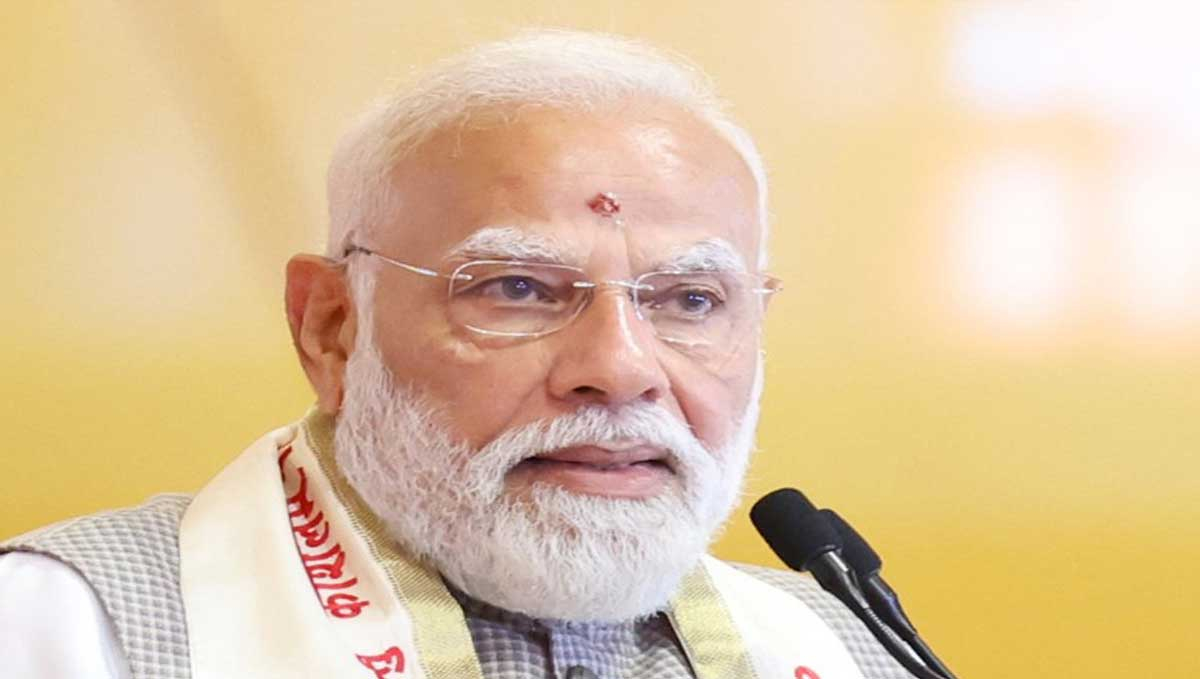
Prime Minister Narendra Modi has reportedly urged citizens to adopt restrained fuel usage, avoid unnecessary foreign travel and limit discretionary gold purchases in an effort to reduce import dependence and preserve valuable foreign currency reserves.
Oil Imports Remain India’s Biggest Economic Challenge
India imported nearly $135 billion worth of crude oil during FY 2025-26, making petroleum imports one of the largest contributors to the country’s import bill.
With global crude prices becoming increasingly volatile due to tensions involving Iran and instability in shipping routes across the Middle East, policymakers are now focusing on reducing domestic fuel consumption to ease the burden on the economy.
Government estimates suggest that if India succeeds in lowering fuel consumption by 20%, the country could save approximately $27 billion annually in foreign exchange outflows.
Economic experts say even a moderate reduction in fuel demand can significantly impact inflation control, transport costs and currency stability.
Officials believe reduced fuel demand would also lower pressure on supply chains, reduce dependence on imported energy and help stabilize domestic prices over the medium term.
Gold Imports Continue to Worry Policymakers
Gold remains another major concern for India’s economic managers.
Despite record-high prices in international markets, demand for gold in India has continued to rise due to its cultural significance, wedding demand and perception as a safe investment asset during uncertain economic times.
India’s gold import bill surged to nearly $72 billion during FY 2025-26, marking a sharp increase compared to previous years.
If gold imports are reduced by just 10%, analysts estimate that India could save approximately $7.2 billion annually.
However, experts say reducing gold demand in India may prove extremely difficult due to deeply rooted social and cultural buying patterns.
Jewelry traders argue that even rising prices have failed to significantly weaken consumer demand, particularly during wedding seasons and festive periods.
Government Unlikely to Raise Gold Import Duty
Currently, India imposes a 6% import duty on gold, including 5% customs duty and 1% agriculture cess.
Although higher import duties could discourage purchases and reduce imports, sources indicate that the government is not considering an immediate increase in customs duties due to concerns that it could hurt the jewelry industry and increase smuggling activities.
Analysts warn that aggressive tariff hikes could unintentionally revive illegal gold inflows through unauthorized channels, which had declined after earlier reforms.
Foreign Travel Spending Also Under Scrutiny
Another major source of foreign exchange outflow is overseas travel expenditure.
Data indicates Indians spent nearly $15.8 billion on foreign travel during FY 2025-26. If discretionary international travel declines significantly over the next year, India could potentially conserve a substantial portion of those forex reserves.
Economic observers say reducing outbound tourism may not only support forex conservation efforts but also encourage higher domestic tourism spending within India.
The government is reportedly encouraging behavioral changes rather than imposing direct restrictions, focusing on public awareness and voluntary participation.
Fertilizer and Edible Oil Imports Add to Pressure
India also continues to spend heavily on fertilizer and edible oil imports.
The country imported fertilizers worth approximately $14.5 billion during FY 2025-26. Authorities estimate that optimizing fertilizer usage and improving domestic production could help reduce the import burden by up to 50%, generating possible savings of around $7.3 billion.
Similarly, edible oil imports valued at nearly $19.5 billion remain a major pressure point for India’s import-dependent economy.
A 10% reduction in edible oil imports could help save an additional $1.95 billion annually.
Agricultural economists believe improving domestic oilseed production and promoting alternative cooking oils may help reduce dependence on overseas suppliers in the long run.
Potential Savings Breakdown
| Category | Import/Expense Value (USD Billion) | Reduction Target | Estimated Savings (USD Billion) |
|---|---|---|---|
| Crude Oil | 135 | 20% | 27.0 |
| Gold | 72 | 10% | 7.2 |
| Edible Oil | 19.5 | 10% | 1.95 |
| Fertilizers | 14.5 | 50% | 7.3 |
| Foreign Travel | 15.8 | 100% | 15.8 |
| Total Potential Savings | — | — | 59.2 |
Rising Trade Deficit Raises Alarm
India’s growing import bill has already started impacting the country’s trade balance.
The country’s trade deficit reportedly widened to $333.2 billion during FY 2025-26, driven largely by rising energy and gold imports.
Gold imports alone have shown dramatic year-on-year growth:
- FY 2022-23: $35 billion
- FY 2023-24: $45.54 billion
- FY 2024-25: $58 billion
- FY 2025-26: $72 billion
Economists warn that if this trend continues, India’s current account deficit could move beyond 1.3% of GDP, increasing pressure on the rupee and complicating monetary policy decisions for the Reserve Bank of India.
Global Uncertainty Forces Governments to Rethink Consumption
Several countries around the world are increasingly focusing on energy conservation and demand management strategies as geopolitical instability impacts global commodity prices.
Indian policymakers believe encouraging responsible consumption habits now could help reduce the long-term impact of external economic shocks and improve macroeconomic stability.
Financial analysts say the success of the strategy will largely depend on public participation, global oil price trends and the government’s ability to balance economic growth with consumption moderation.
RELATED POSTS
View all

Rupee Hits Record Low Against Dollar, Closes at 93.71 Amid Market Volatility
March 20, 2026 | by INVC Desk

Winter Session Erupts as PM Modi, Rahul Gandhi Clash Over ‘Vande Mataram’ Legacy and Electoral Reform Push
December 9, 2025 | by INVC Desk
Delhi Launches Digital Census Phase 1 Today: 33 Questions to Capture Household Data, RWAs Given Key Role
May 1, 2026 | by India News Desk International News and Views