Washington, D.C., United States — March 31, 2026
The United States has significantly escalated its military presence in the Middle East, deploying more than 57,000 troops as tensions with Iran intensify, raising fears of a broader regional conflict.
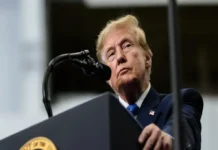
U.S. President Donald Trump issued a stark warning, signaling potential military action against Iran’s critical energy infrastructure if diplomatic conditions are not met swiftly.
Massive US Military Build-Up
According to defense updates, the number of U.S. troops stationed across West Asia has now exceeded 57,000. The deployment is part of a broader military buildup that began in January 2026 and is being described by analysts as the largest since the Iraq War.
The U.S. has also strengthened its naval presence in the region. The aircraft carrier USS Gerald R. Ford has entered the Mediterranean Sea and joined forces with the USS Abraham Lincoln, bringing the total number of American warships in the region to 17.
Trump Warns of Seizing Key Oil Hub
President Trump warned that if Iran does not accept proposed “peace conditions” promptly, the U.S. could move to seize Kharg Island—Iran’s primary oil export hub.
He further threatened that if the Strait of Hormuz is not immediately reopened for global trade, the U.S. could target Iran’s power plants, oil wells, and key infrastructure.
US Peace Conditions and Strategic Goals
The U.S. has reportedly outlined a 15-point framework for de-escalation, which includes:
- A complete halt to Iran’s nuclear weapons development
- Surrender of highly enriched uranium stockpiles
- Disbanding of Iran-backed regional proxy groups
Officials say these measures are aimed at stabilizing the region and preventing further escalation.
Rising Casualties and Regional Fallout
The ongoing conflict, which began on February 28, 2026, has already resulted in significant casualties across multiple countries.
More than 4,750 people have reportedly been killed across Iran, Lebanon, and Israel as violence continues to intensify.
Global Economic Impact
The crisis has severely disrupted global energy markets. Tensions around the Strait of Hormuz—a critical oil transit route—have triggered sharp spikes in global oil prices, adding pressure on economies worldwide.
Iran’s Retaliatory Actions
Iran has responded with a series of counterattacks, reportedly targeting infrastructure in neighboring regions, including water and power facilities in Kuwait, as well as oil refineries in Israel.
Outlook: Risk of Wider War
Analysts warn that the scale of military deployment and escalating rhetoric on both sides could push the region closer to a wider war.
With global powers closely monitoring the situation, diplomatic efforts remain critical to preventing further escalation in what is becoming one of the most volatile geopolitical crises in recent years.