Vadodara, India — May 2, 2026
MS University Adds ‘Modi Element’ to Sociology Curriculum, Sparks Academic Interest
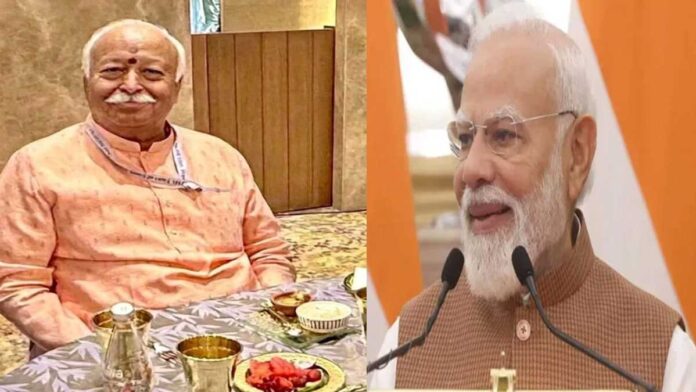
In a significant academic development, the Maharaja Sayajirao University of Baroda (MSU) has introduced a new module titled “Modi Element” into its postgraduate sociology curriculum. The course aims to examine the leadership style and societal impact of Narendra Modi, alongside the historical and social role of the Rashtriya Swayamsevak Sangh.
The update marks a notable shift toward integrating contemporary political leadership and socio-cultural dynamics into academic study.
Course Introduced Under ‘Sociology of Patriotism’
According to Dr. Virendra Singh, Head of the Sociology Department, the module has been included under the broader subject titled “Sociology of Patriotism” in the MA Sociology program.
The course is designed to provide a structured, analytical framework for understanding leadership, nationalism, and social transformation. It will also include comparative studies involving historical figures such as Chhatrapati Shivaji Maharaj and Sayajirao Gaekwad III.
Academic Framework: Max Weber’s Theory
A key component of the module is the application of Max Weber’s theory of charismatic leadership. Faculty members aim to analyze whether Prime Minister Modi’s leadership reflects characteristics similar to historically studied figures like Mahatma Gandhi and Martin Luther King Jr.
Dr. Singh emphasized that the course is intended as a scientific and academic inquiry, focusing on leadership patterns, public appeal, and long-term political influence.
Focus Areas: Media, Nationalism, and Policy
The “Modi Element” module will explore multiple contemporary themes, including:
- Digital nationalism and media influence
- Citizenship and identity politics
- Globalization and dissent
- Public perception and mass appeal
Students will also examine why certain leadership models gain widespread acceptance and how they sustain long-term influence in democratic systems.
Policy Analysis Included in Curriculum
The course will incorporate case studies of major government initiatives such as:
- Demonetization
- Digital transformation programs
- FASTag implementation
- Formation of the Ministry of Jal Shakti
These policies will be analyzed to understand governance strategies and their societal impact.
Inclusion of RSS History
The curriculum also includes a study of the historical evolution and social contributions of the RSS. According to faculty inputs, the decision was influenced by field observations during policy-related surveys in rural areas, where RSS-affiliated volunteers were found participating in grassroots-level implementation.
Academic Perspective and Broader Context
University officials maintain that the module is designed within an academic framework, encouraging critical analysis and research-based understanding of contemporary socio-political developments.
The introduction of such courses reflects a broader trend in higher education, where institutions are increasingly incorporating current events, leadership studies, and policy analysis into traditional disciplines like sociology.