Washington/Tehran/Jerusalem — April 22, 2026
The conflict involving Iran entered its 54th day on Wednesday, with the United States announcing an indefinite extension of the ceasefire even as tensions continued to escalate across the Middle East.
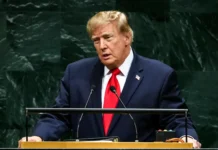
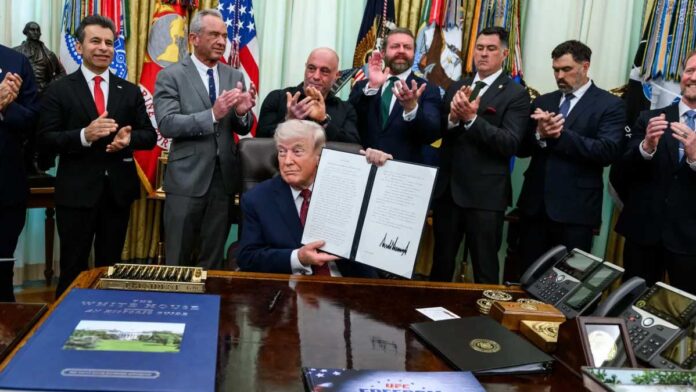
U.S. President Donald Trump said the truce would remain in place until Iran submits a new proposal outlining conditions for ending the conflict and negotiations reach a conclusion.
Iran Rejects Pressure, Calls Blockade “Act of War”
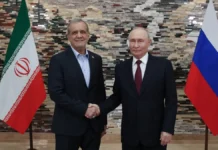
Iran, however, has strongly pushed back against Washington’s stance. Foreign Minister Abbas Araghchi condemned the continued U.S. naval blockade of Iranian ports, calling it a violation of the ceasefire and an “act of war.”
Officials in Tehran reiterated that the country would not negotiate under threats, with advisers warning the ceasefire extension could be a strategy for future military escalation.
IRGC Warns of Oil Supply Disruption
The Islamic Revolutionary Guard Corps issued a stark warning that oil infrastructure across the Middle East could be targeted if attacks are launched from neighboring Gulf countries.
The threat has raised fresh concerns over global energy security, particularly as shipping through the Strait of Hormuz remains restricted, disrupting key oil flows.
Violence Continues Despite Ceasefire
Despite the extended truce, violence has persisted in multiple areas:
- In the West Bank, Israeli settlers reportedly killed two people, including a child
- Israeli strikes in southern Lebanon injured civilians and damaged homes
- Tensions with Hezbollah remain high amid mutual accusations of ceasefire violations
These incidents have further complicated efforts to stabilize the region.
Diplomatic Efforts and Sanctions
Diplomatic activity continues alongside rising tensions:
- The U.S. is hosting ambassador-level talks between Israel and Lebanon
- Lebanese Prime Minister Nawaf Salam has called for a full Israeli withdrawal
- Washington has imposed new sanctions targeting Iran’s weapons programs
- The European Union is also expanding its sanctions framework
Meanwhile, Trump floated the idea of a currency swap with the United Arab Emirates to ease economic pressures.
Israel’s Position
Israeli Prime Minister Benjamin Netanyahu stated that joint U.S.-Israel operations have significantly weakened Iran’s capabilities.
However, analysts note that continued military and economic pressure alongside diplomatic outreach reflects a dual-track strategy that has created uncertainty in global markets.
Humanitarian and Global Impact
The conflict continues to have severe humanitarian consequences, particularly in Lebanon, where aid requirements have surged to $587 million.
At the same time, disruptions in shipping routes and energy supply chains are impacting global oil markets, adding volatility to an already fragile economic environment.
Outlook
While the ceasefire technically remains in place, ongoing violence, diplomatic deadlock, and economic pressure indicate that the situation remains highly unstable.
Observers warn that without concrete progress in negotiations, the risk of escalation remains significant in the coming days.