New Delhi, India | January 26, 2026
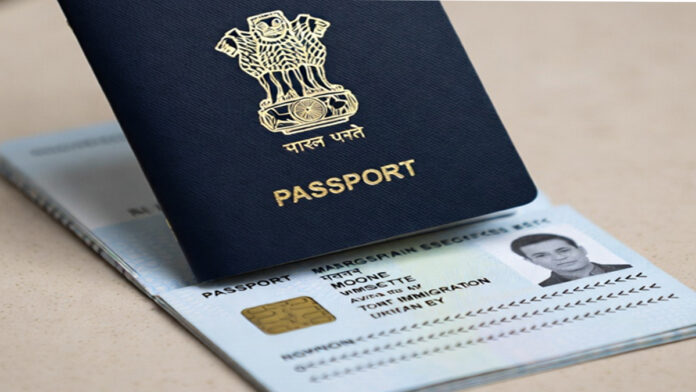
The Government of India has announced that all new passports issued from June 2026 will be e-chip–based e-Passports, marking a major step toward enhancing travel security and simplifying international mobility for Indian citizens.
The move aligns India with global travel and security standards, as most developed nations have already adopted electronic passports.
What Is an e-Passport?
Embedded Secure Chip:
An e-Passport contains a small electronic chip embedded in the cover or inside pages of the passport. This chip securely stores the holder’s personal details, biometric data (fingerprints and facial image), and a digital signature.
RFID Technology:
The chip uses Radio Frequency Identification (RFID) technology, allowing immigration authorities to scan passport data without physical contact, significantly reducing processing time at border checkpoints.
Key Benefits for Travelers
Faster Immigration Clearance:
Most international airports now operate automated e-Gates. With an e-Passport, travelers can complete immigration formalities within seconds, without manual intervention by officers.
Enhanced Security:
Tampering with or duplicating an e-Passport is extremely difficult. Any attempt to manipulate the chip is immediately detected by the system, making identity fraud nearly impossible.
Global Acceptance:
Countries such as the United States, the United Kingdom, and European Union nations already use e-Passports. Indian travelers holding e-Passports are expected to experience smoother visa processing and quicker international security checks.
Government Rollout and Implementation Plan
June 2026 Deadline:
The government has upgraded passport infrastructure in collaboration with Tata Consultancy Services (TCS) and the National Informatics Centre (NIC) to ensure that all passports issued from June 2026 onward follow the e-Passport format.
What About Existing Passports?
Current machine-readable passports will remain valid until their expiration date. Passport holders do not need to replace them immediately. Upon renewal, an e-Passport will be issued automatically.
Manufacturing and Security Standards
The e-Passport chips and booklets are being manufactured at the India Security Press in Nashik, using state-of-the-art security technology.
The government aims to eventually digitize all passport categories, including diplomatic and official passports, under this framework.
Strengthening Digital India on a Global Stage
This initiative reinforces the Prime Minister’s Digital India vision, extending it to international travel infrastructure. The shift to e-Passports is expected to make overseas travel seamless, secure, and globally compliant for Indian citizens.
For further details, travelers can visit the Ministry of External Affairs’ Passport Seva portal.